
Healthcare cleaning services are crucial for maintaining a safe environment in hospitals, clinics, and other medical facilities. These services ensure that spaces are free from pathogens and contaminants. They play a vital role in preventing infections and promoting patient safety. Here’s everything you need to know about healthcare cleaning services.
Importance of Healthcare Cleaning Services
Healthcare facilities are high-risk areas for infections. Patients with weakened immune systems, open wounds, and other vulnerabilities are more likely to contract infections. Proper cleaning minimizes this risk. It reduces the spread of harmful bacteria, viruses, and other pathogens. This is essential for patient safety and public health.
Key Components of Healthcare Cleaning
Healthcare cleaning involves several key components. Each is designed to address specific needs within a medical facility.
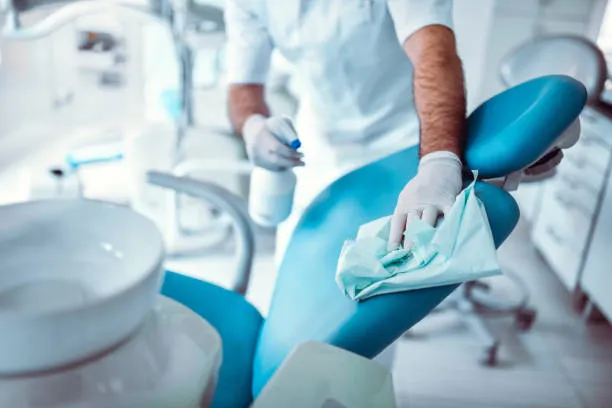
- Surface Disinfection – High-touch surfaces like doorknobs, bed rails, and light switches harbour many germs. Regular disinfection of these surfaces is crucial. It prevents the spread of infections from one patient to another.
- Floor Cleaning – Floors in healthcare facilities can quickly become contaminated. Cleaning and disinfecting floors regularly helps reduce the spread of pathogens. It also prevents slips and falls, ensuring safety for both patients and staff.
- Restroom Sanitation – Restrooms are breeding grounds for germs. Thorough cleaning along with disinfection of restrooms is crucial. This includes toilets, sinks, and other fixtures.
- Waste Management – It is crucial to dispose of medical waste properly. This includes sharps, used bandages, and other contaminated materials. Effective waste management reduces the risk of infections and ensures regulatory compliance.
For more details and updates, don’t forget to follow us on our Facebook and Instagram accounts.
Specialized Cleaning Services
Healthcare cleaning services often require specialized approaches. This is due to the unique nature of medical environments.
- Terminal Cleaning – This is a thorough cleaning process used in areas where infectious patients have been treated. It involves cleaning every surface, including walls and ceilings. Terminal cleaning is critical for preventing the spread of infections to new patients.
- Isolation Room Cleaning – Isolation rooms house patients with highly contagious diseases. Cleaning these rooms requires strict protocols. Staff must wear protective equipment and follow specific procedures to prevent contamination.
- Operating Room Cleaning – Operating rooms must be sterile. Any contamination can lead to severe infections. Specialized cleaning procedures are used to ensure these rooms remain sterile. This includes cleaning between surgeries and deep cleaning at regular intervals.
Regulatory Compliance
Healthcare cleaning services must comply with various regulations. These regulations are designed to ensure safety and quality. Key regulatory bodies include:
- The Centres for Disease Control and Prevention (CDC) : provides guidelines on infection control and cleaning practices.
- The Occupational Safety and Health Administration (OSHA) : sets standards for worker safety, including the safe handling of hazardous materials.
- The Environmental Protection Agency (EPA) : regulates the use of disinfectants and other cleaning chemicals.
Compliance with these regulations is essential. It ensures that cleaning practices are safe, effective, and up to standard.
How to Choose a Healthcare Cleaning Service
Selecting the right healthcare cleaning service or provider is crucial. Here are a few factors you should think about while hiring a cleaning service provider for your healthcare unit, like clinics and hospitals:
- Experience and Expertise
- Training and Certification
- Compliance
- Reputation
- Flexibility
Conclusion
Healthcare cleaning services are vital for maintaining a safe and hygienic environment in medical facilities. They play a crucial role in preventing infections and ensuring patient safety. By understanding the key components, specialized services, and regulatory requirements, you can make informed decisions when choosing a healthcare cleaning service. Proper cleaning not only protects patients but also enhances the overall quality of care.
FAQ’s
Q1. What are healthcare cleaning services?
Healthcare cleaning services involve thorough cleaning and disinfection of hospitals, clinics, and medical facilities to maintain hygiene and safety.
Q2. Why are healthcare cleaning services important?
They help prevent the spread of infections, protect patients, and ensure treatment and waiting areas remain sterile.
Q3. What areas do healthcare cleaning services cover?
They include patient rooms, operating rooms, bathrooms, waiting areas, lobbies, and storage areas for medical equipment.
Q4. Are the cleaning products used in healthcare safe?
Yes, healthcare cleaning professionals use hospital-grade non-toxic disinfectants that are safe for patients and staff.
Q5. How often should someone clean a healthcare facility?
Staff need to clean high-touch and critical areas multiple times daily, while they clean general areas or follow a set schedule.
Q6. Can healthcare cleaning services be customized?
Yes, they can. Cleaning companies can tailor their services to meet each healthcare facility’s needs. They consider factors such as the facility’s size, high-risk areas, patient volume, and operating hours.